
KOREAN CHUNA · SFMA · REHABILITATION
Korean Chuna, guided by how you move.
Pain can change how you turn, reach, walk and work. Our approach starts with those movements. We combine a clinical assessment with selected acupuncture, Korean Chuna manual techniques and exercise guidance, so that care is connected to the activities you want to do more comfortably.
A practice built across three disciplines.
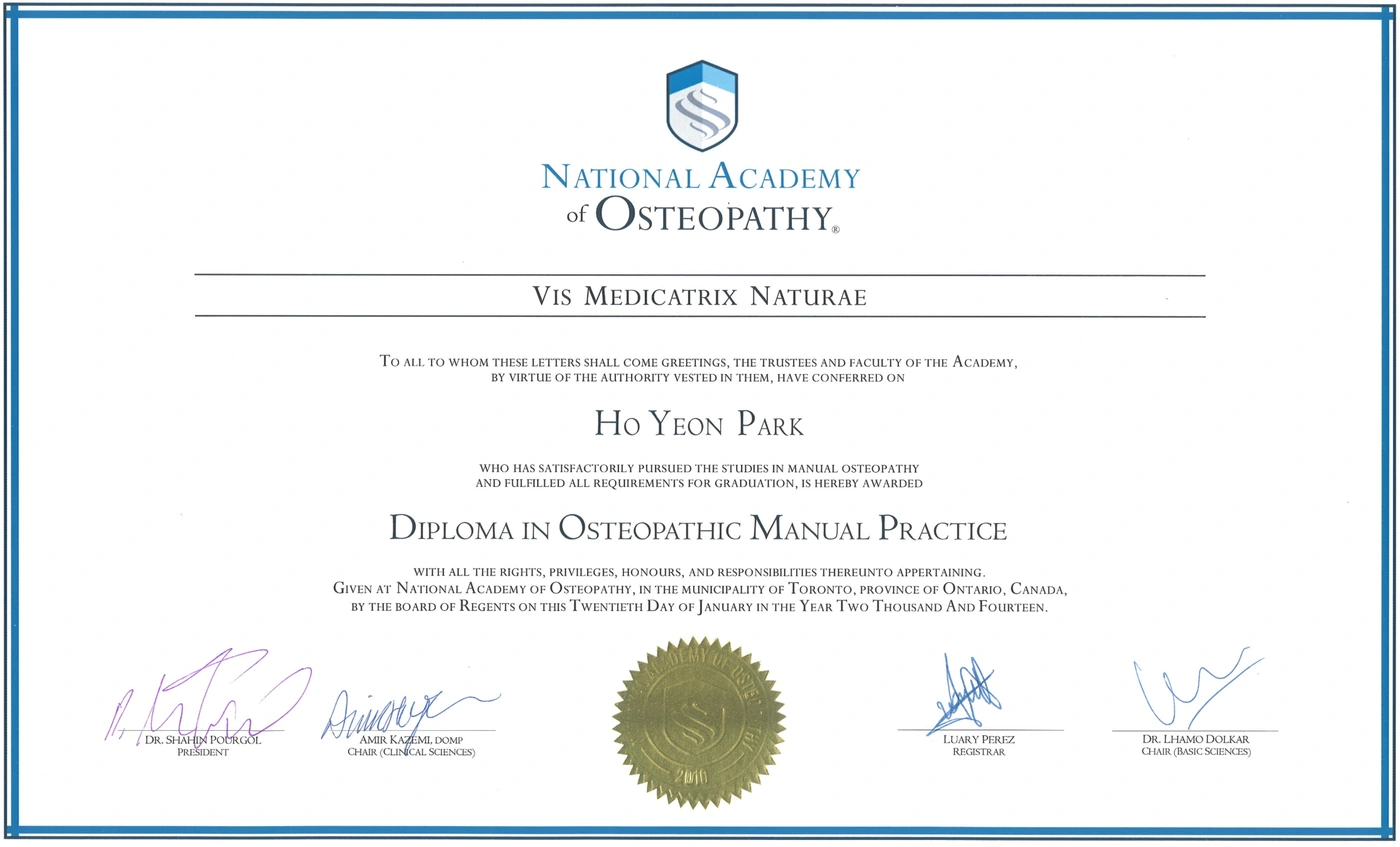
Hoyeon Park brings together Korean medicine, rehabilitation training and osteopathic manual practice. He completed doctoral coursework in Clinical Korean Medicine, Rehabilitation Medicine, at Kyung Hee University, holds the NAO Diploma in Osteopathic Manual Practice and a Doctor of Osteopathy degree from NUMSS Spain, and serves as NAO's Korea representative. This background informs the clinic's movement-led approach to Chuna and rehabilitation.
- Kyung Hee University · Doctoral coursework completed in rehabilitation-focused Clinical Korean Medicine
- National Academy of Osteopathy, Canada · DOMP
- NUMSS Spain · Doctor of Osteopathy
- NAO · Korea representative
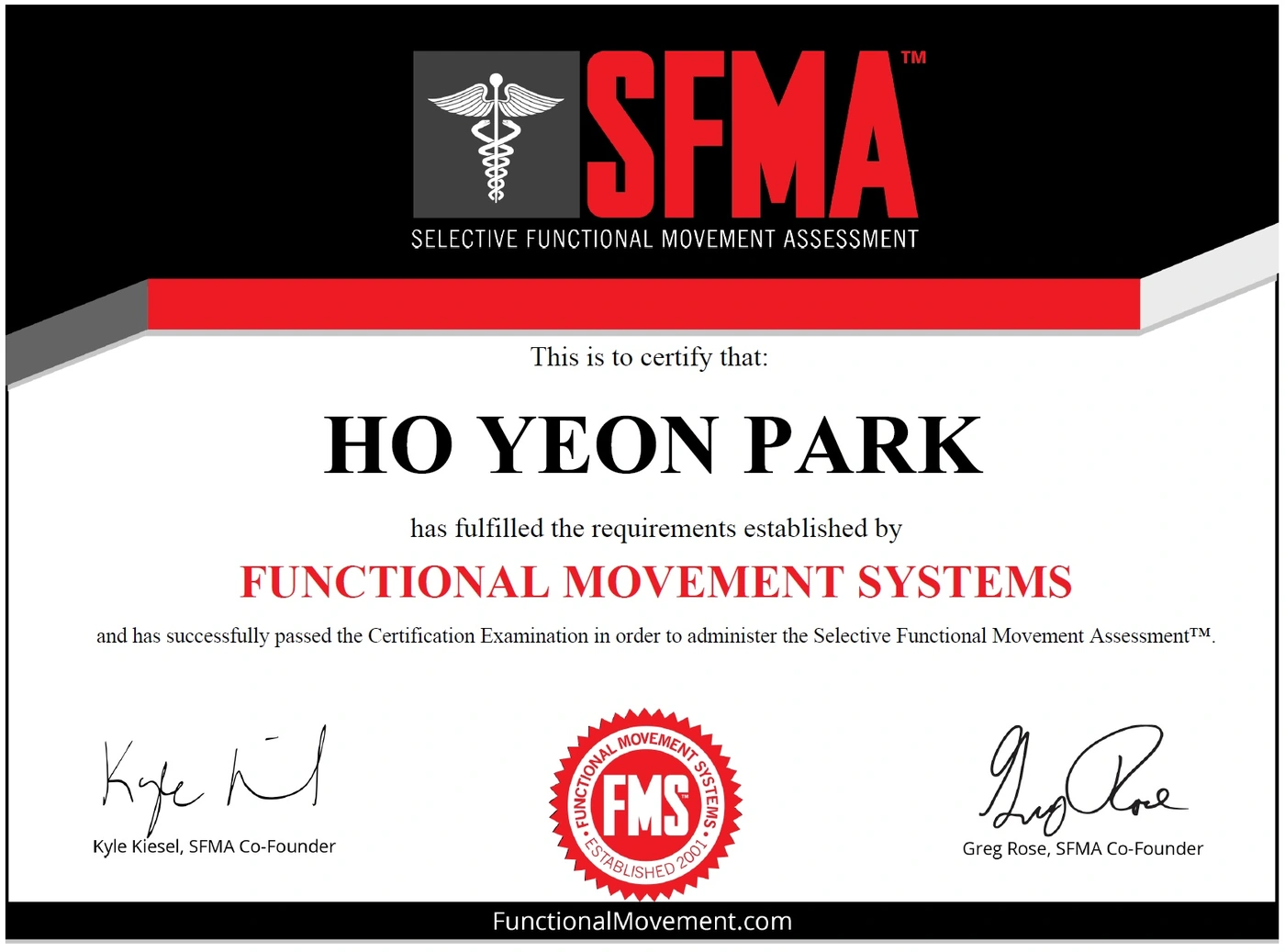
SFMA: assess the movement before choosing the technique.
The Selective Functional Movement Assessment provides a structured way to examine movement patterns in people with musculoskeletal pain. We record whether a movement is comfortable or painful and whether it is limited. Further assessment helps distinguish a mobility restriction from a movement-control difficulty and guides the next clinical step.
Observe
Look at neck movement, reaching, bending, turning, balance and the movements relevant to your symptoms.
Connect
Consider how nearby regions contribute—for example, how hip or thoracic movement affects a task involving the lower back.
Reassess
Repeat the relevant movement after treatment and across visits to guide progression.

Hands-on care with a clear purpose.
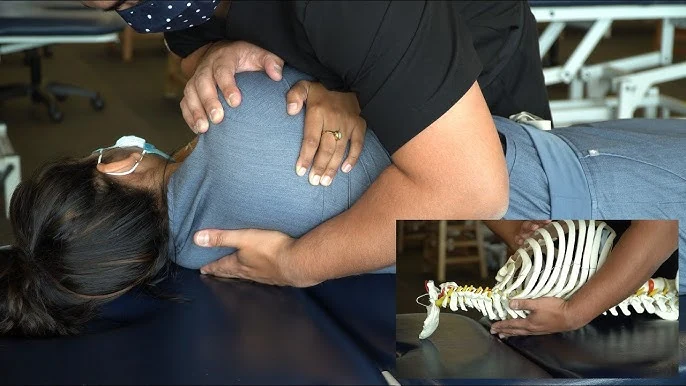
Chuna is a Korean manual approach that can include joint mobilization, soft-tissue work and other selected techniques. At Fitness OMC, the technique and intensity are chosen around your findings, medical history and comfort. Osteopathic assessment and muscle-energy approaches may complement the plan. Your practitioner explains the proposed care and checks your consent before treatment.

Where acupuncture fits.
Acupuncture may be selected alongside manual care when appropriate to your presentation. The combination is individualized rather than applied as the same routine to every patient. Your treatment plan can include advice on pacing, activity and exercises to continue between visits.
From the treatment table to everyday life.
The goal of rehabilitation is useful movement. We work with practical targets such as sitting through a workday, turning your head when driving, reaching overhead or returning to exercise. Follow-up appointments review your response, movement and home plan so that the next step reflects how you are progressing.


Clinical work that connects Korea and Canada.
Fitness OMC began in Seoul in 2012. Hoyeon Park's work has included clinical practice, professional writing and coach education, and a Korean medical newspaper interview about Chuna as insurance coverage was being introduced. Today, the clinic brings that history into assessment-led care across three Metro Vancouver locations.
BEFORE YOUR VISIT
Your questions,
answered.
A clear next step starts with the information you need.
Does Chuna always involve a forceful adjustment?
No. Techniques and intensity vary. Your practitioner discusses suitable options and can use gentle approaches according to your condition and preference.
What should I wear?
Wear comfortable clothing that allows bending, reaching and walking. Bring relevant imaging reports, medication information and details of your symptoms.
Can I use insurance?
Coverage depends on the actual service and your plan's provider requirements. We explain the service and fee so you can check the correct benefit before treatment.
Start with a movement assessment.
Tell us what hurts and what you want to get back to doing.